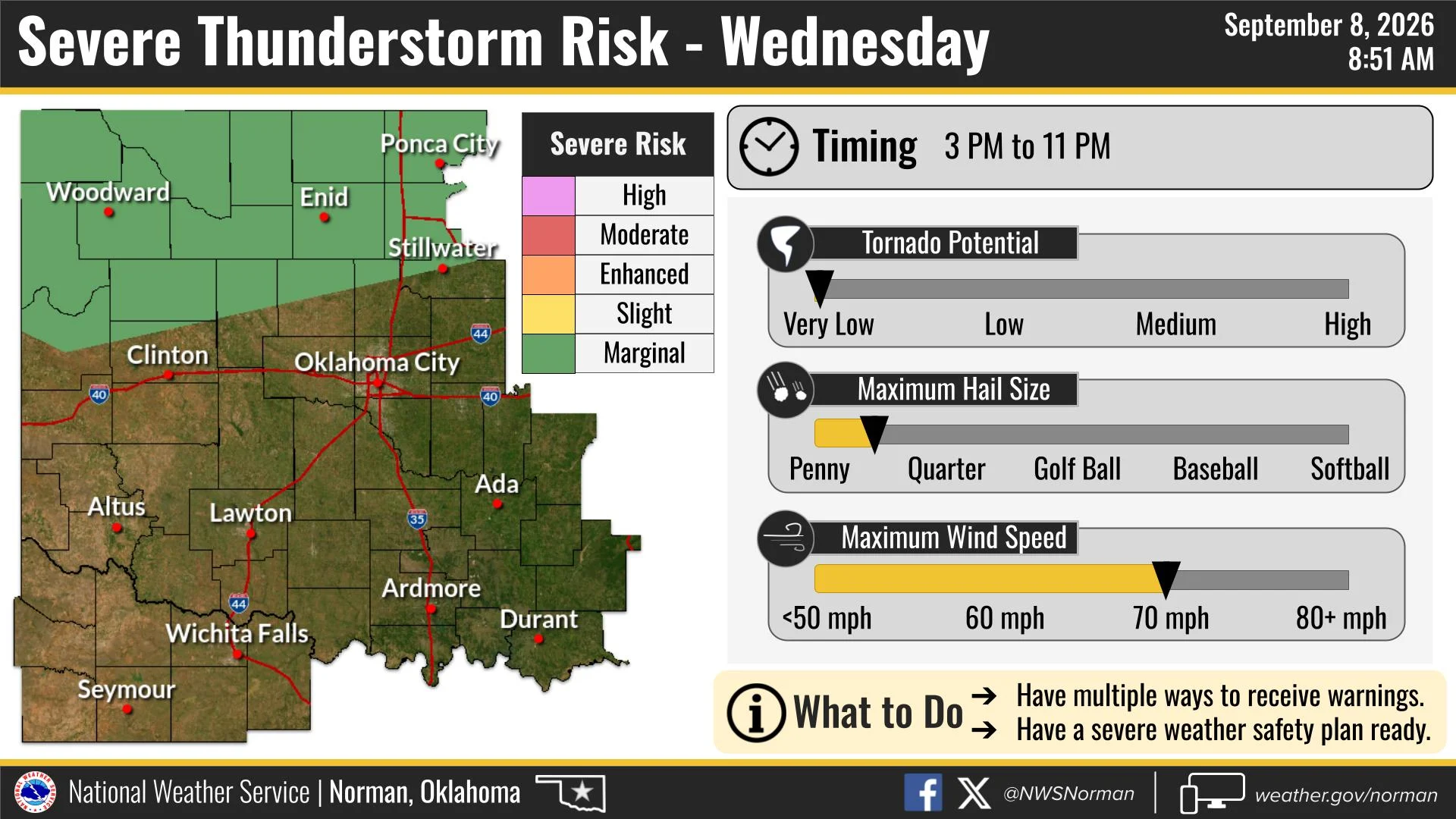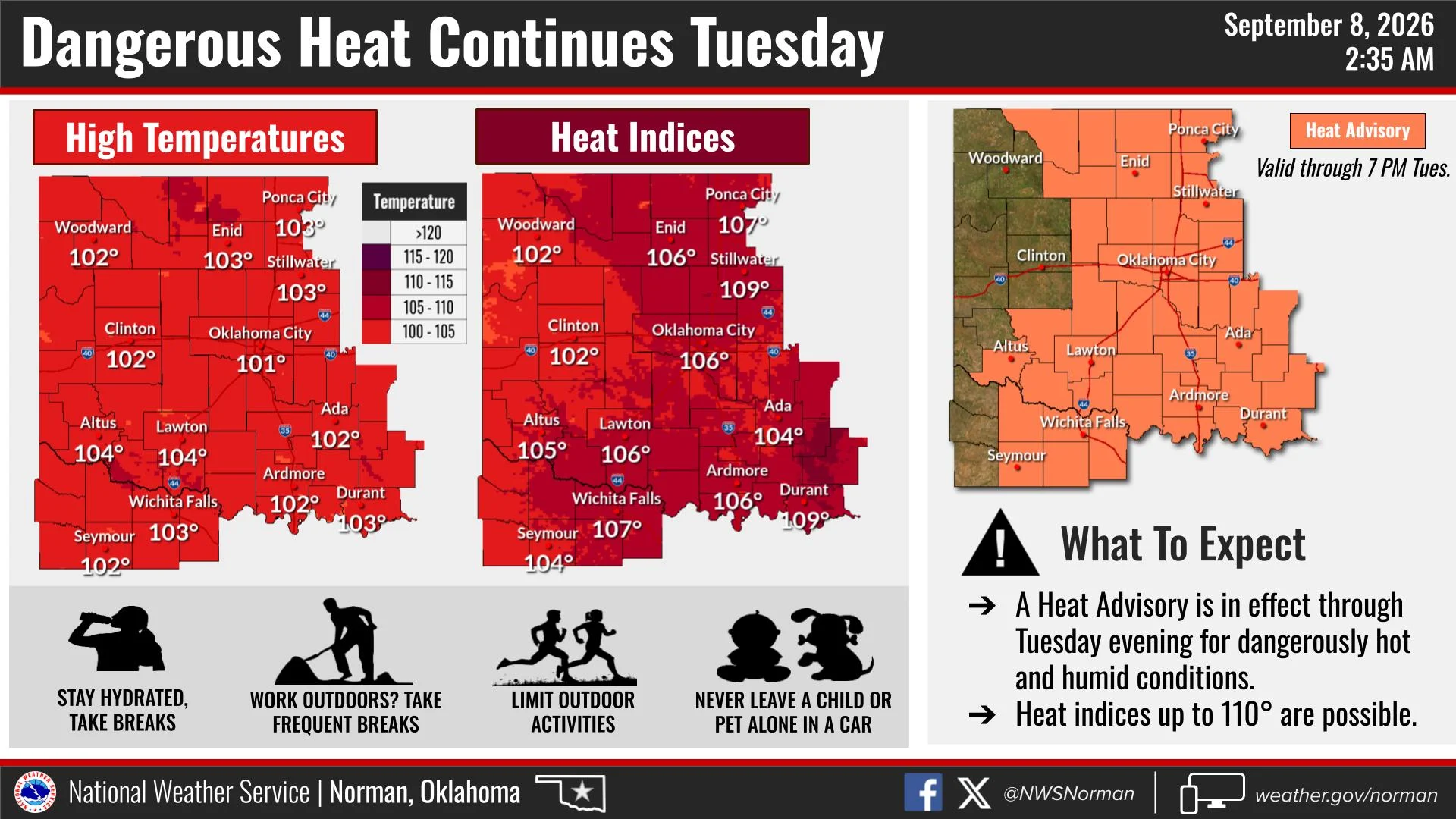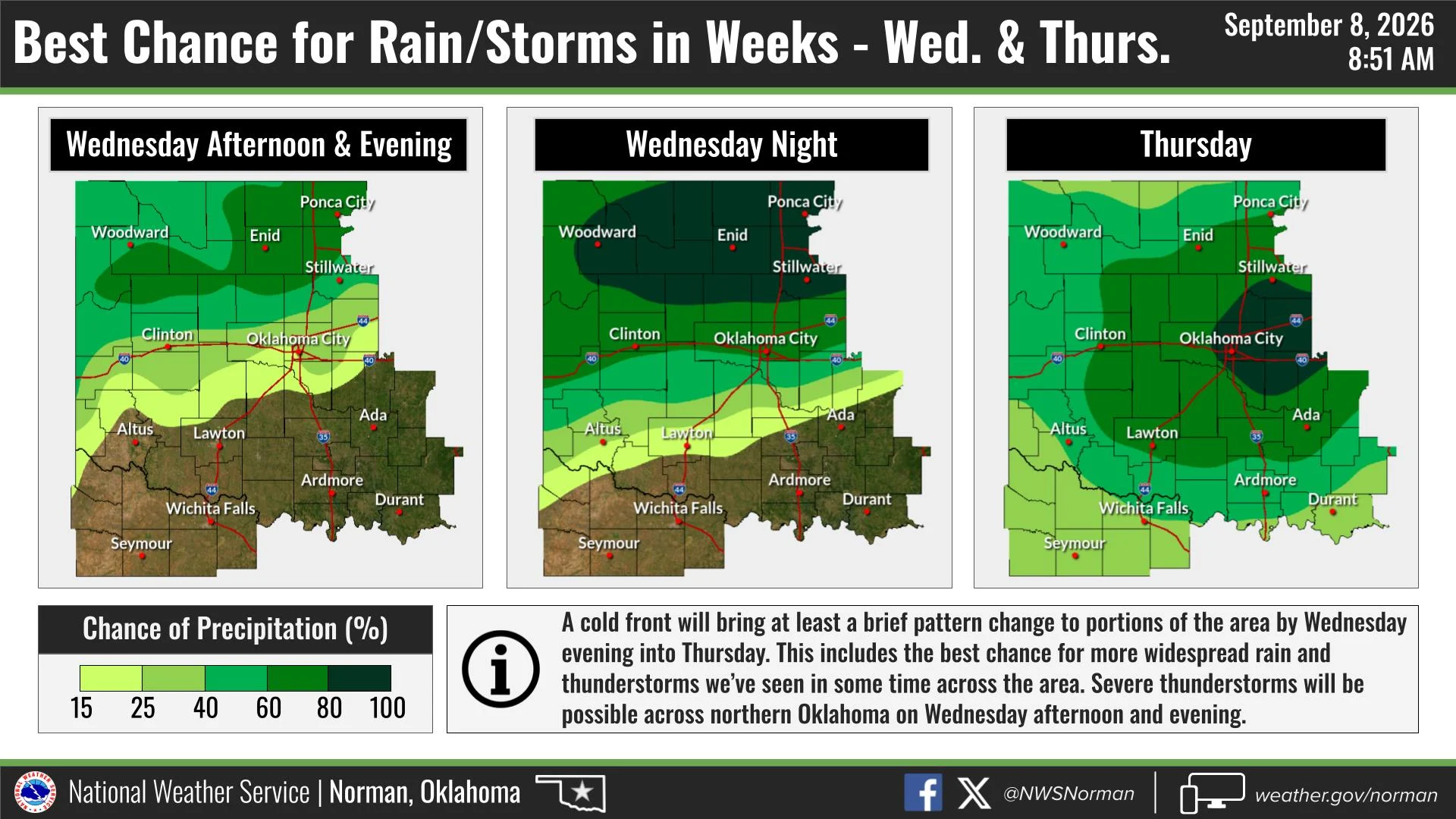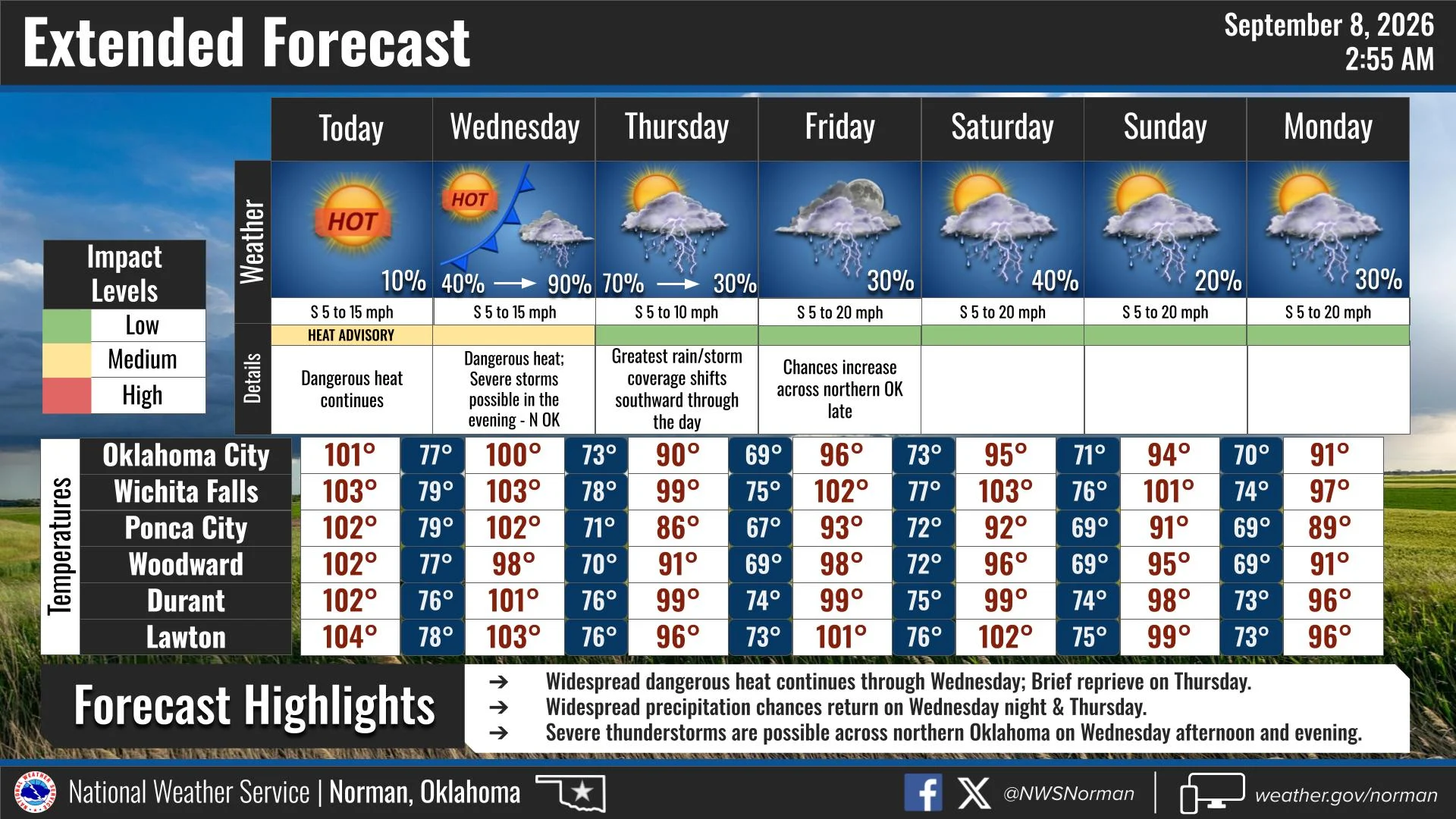
TIPS TO KEEP YOU SAFE WHILE WORKING IN THE SUMMER HEAT!

  • Working Safely in the Heat

    Heat Stress & Heat-Related Illness Prevention Guide


    Purpose

    Working outdoors during Oklahoma summers can expose employees to dangerous heat conditions. Heat-related illnesses can develop quickly and become life-threatening if they are not recognized and treated immediately. This guide provides practical steps to prevent heat stress, recognize warning signs, and respond appropriately.


    Before You Start Work

    Every employee should:

    • Drink water before beginning work.
    • Wear lightweight, light-colored clothing whenever possible.
    • Wear a wide-brim hat or cooling hat if available.
    • Apply sunscreen (SPF 30 or higher).
    • Eat regular meals throughout the day.
    • Get adequate sleep before working in extreme heat.
    • Know the signs and symptoms of heat-related illness.
    • Inform your supervisor if you take medications or have medical conditions that may increase your risk.

    Stay Hydrated

    Hydration is your best defense against heat illness.

    Recommendations:

    • Drink 8 ounces of water every 15–20 minutes while working.
    • Do not wait until you are thirsty.
    • During prolonged heavy work, alternate water with an electrolyte replacement drink.
    • Avoid excessive caffeine and energy drinks.
    • Avoid alcohol before and after work in hot weather.

    Signs you need more water:

    • Dark yellow urine
    • Dry mouth
    • Headache
    • Fatigue
    • Muscle cramps

    Take Breaks

    Supervisors should encourage frequent rest periods.

    General recommendations:

    Heat Conditions Suggested Rest Breaks
    Warm (80–89°F) 10–15 minutes each hour as needed
    Hot (90–99°F) 15 minutes every hour
    Very Hot (100°F+) 20–30 minutes every hour or more depending on workload

    Whenever possible:

    • Rest in shaded areas.
    • Use air-conditioned buildings or vehicles.
    • Remove heavy PPE during breaks if safe to do so.

    Acclimatization

    Employees new to working in the heat are at the highest risk.

    Gradually increase exposure over 7–14 days.

    New employees should:

    • Start with lighter workloads.
    • Take additional breaks.
    • Be closely monitored by supervisors.

    Recognizing Heat-Related Illness

    Heat Rash

    Symptoms

    • Red clusters of small blisters
    • Itchy skin
    • Irritated areas under clothing

    Treatment

    • Move to a cooler location.
    • Keep skin dry.
    • Wear loose clothing.

    Heat Cramps

    Symptoms

    • Painful muscle cramps
    • Heavy sweating
    • Fatigue

    Treatment

    • Stop work.
    • Move to a cool area.
    • Drink water or an electrolyte beverage.
    • Stretch affected muscles gently.

    Heat Exhaustion

    Symptoms

    • Heavy sweating
    • Cool, pale, clammy skin
    • Weakness
    • Dizziness
    • Headache
    • Nausea or vomiting
    • Fast, weak pulse
    • Muscle cramps
    • Fainting

    Treatment

    • Move to a cool or shaded location immediately.
    • Loosen clothing.
    • Apply cool, wet towels.
    • Sip cool water slowly.
    • Elevate the legs if faint.
    • Notify a supervisor.

    Seek medical evaluation if symptoms do not improve within 30 minutes.


    Heat Stroke (Medical Emergency)

    Heat stroke can be fatal.

    Symptoms

    • Body temperature above 103°F
    • Hot, red skin (may be dry or damp)
    • Confusion
    • Slurred speech
    • Seizures
    • Loss of consciousness
    • Rapid, strong pulse

    Immediate Actions

    Call 911 immediately.

    While waiting for EMS:

    • Move the person into shade.
    • Remove excess clothing.
    • Cool rapidly using water, ice packs, or cool towels.
    • Fan the individual.
    • Do NOT give fluids if unconscious or confused.

    Heat stroke requires emergency medical treatment.


    The Buddy System

    Employees should monitor one another for signs of heat illness.

    Watch for:

    • Confusion
    • Slowed movements
    • Excessive fatigue
    • Unsteady walking
    • Changes in behavior
    • Complaints of dizziness or nausea

    If something doesn’t seem right, stop work and notify a supervisor immediately.


    High-Risk Employees

    Extra precautions should be taken for workers who:

    • Are new to outdoor work
    • Are over age 65
    • Have heart disease
    • Have diabetes
    • Are overweight
    • Take blood pressure medications, diuretics, or other medications that affect heat tolerance

    Supervisor Responsibilities

    Supervisors should:

    • Monitor weather conditions daily.
    • Ensure water is readily available.
    • Schedule strenuous work during cooler morning hours whenever possible.
    • Encourage regular hydration.
    • Provide shaded or cooled rest areas.
    • Watch employees for signs of heat illness.
    • Never leave a sick employee alone.
    • Call emergency medical services immediately if heat stroke is suspected.

    Heat Safety Tips

    • Drink water frequently.
    • Take scheduled breaks.
    • Wear sunscreen.
    • Wear breathable clothing.
    • Work as a team.
    • Pace yourself.
    • Avoid overexertion during the hottest part of the day.
    • Report symptoms early.
    • Never ignore dizziness or confusion.

    Remember

    Water • Rest • Shade

    Recognizing heat illness early can save a life. If you notice symptoms in yourself or a coworker, stop work immediately, notify your supervisor, and seek medical attention when necessary.

    When in doubt—cool down and get checked out.

Emergency Phone Numbers

Get information on how to protect yourself and your family members. More….

Supporters of Emergency Management

Looking out for you and your family
Every Minute Every Day

It is the responsibility of Emergency Management to protect and educate our citizens. This is a task that we take very seriously. It is our job to prepare for, respond to, mitigate, and recover from any disaster or incident that may occur within our jurisdiction. Whether it occurs from a natural disaster, a terrorist act, or from any incident, we are here to help restore the quality of life as close as it was before the occurrence.

Current Road Conditions

Oklahoma Road Conditions- Oklahoma Roads

Kansas Road Conditions- Kansas Drive

Texas Road Conditions- Drive Texas

New Mexico Road Conditions-  New Mexico Roads

Colorado Road Conditions- Colorado Trip

Missouri Road Conditions- Missouri Traveler

Arkansas Road Conditions- AR DOT
Power Issues?

OG&E System watch let’s you know where power is out and approximately how long to restoration!

Oxygen / Power Dependent?

Lizzie’s Lifeline- Oxygen/Power Dependent information coming soon!

Oklahoma Burn Ban

For Governor or County declared burn bans please click here.

Weather Resources

Here are a few weather links to help you make sense of Oklahoma’s crazy weather!

Weather